
News
Single barrel Bourbon vs. Small batch vs. Standard bottle: What’s the Difference? - New Riff
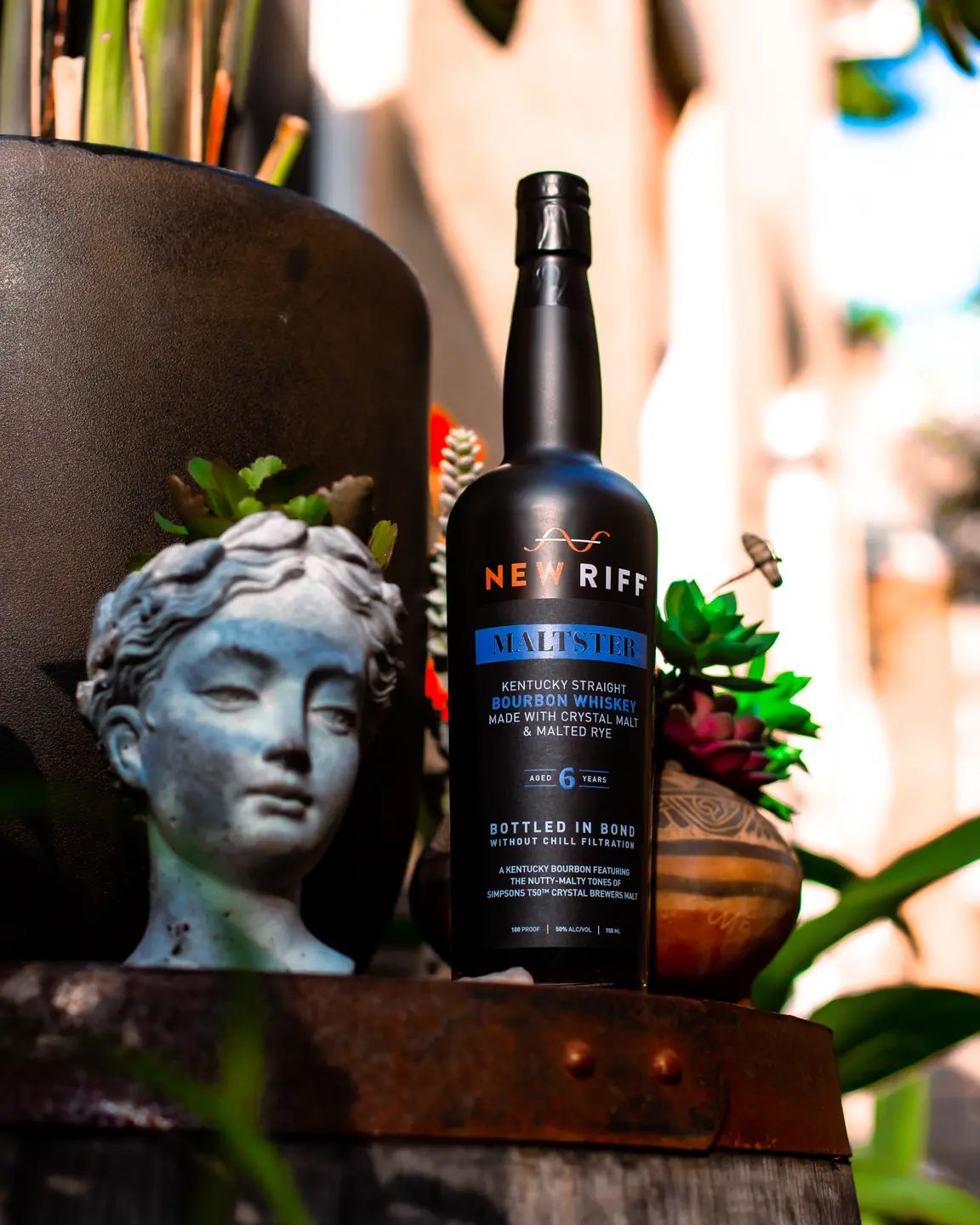
Bourbon enthusiasts are more than familiar with the term “Single Barrel Bourbon.” In fact, single-barrel Bourbons have been quite the popular commodity in the past few years in the world of Bourbon. It’s easy to think that a more specialized version of something must be better, and therefore worth the extra dollars.
However, every Bourbon is different in its own right. Let’s review what goes into making a single-barrel Bourbon. There are two primary ways Bourbon is bottled: a single barrel bottling and what we can call for the sake of discussion a “standard” (or multiple barrels) bottling runs. A further category is “small batch” Bourbon, which implies a certain selection process among a smaller number of barrels than a producer’s standard bottling run.
To be legally produced as Bourbon, the whiskey distillate’s mash bill must consist of a minimum of 51% corn. The remainder of the mash bill can be any cereal grain , including rye, wheat, barley, or others. The grain is then ground in a mill, mashed with water and cooked, cooled and fermented, and then distilled. The distillate is then entered into a new charred oak barrel or cask. The typical “straight” Bourbon is then aged for a minimum of at least two years. The spirit may enter the barrel at no more than 120 proof (60% alcohol by volume) As the distillate ages in the new charred oak barrels, it gains color and flavor due to evaporation and oxidation. The next step is where standard Bourbon tends to differ from a single barrel and small-batch Bourbon.
Source: New Riff Distilling. Photo credit: New Riff Distilling.